 MoDOT & Patrol Employees’ Retirement System



Phone calls claiming to be from Social Security.
Emails warning that one of your accounts has been compromised.
Text messages about unpaid tolls, package deliveries, or suspicious charges.
If you’ve experienced any of these, you’re not alone. Scammers increasingly target retirees because they often have established financial accounts, good credit histories, and reliable sources of income. While technology has made many aspects of life more convenient, it has also created new opportunities for fraud.
The good news is that one of the best defenses against fraud is awareness.
Most scams share a common goal: convincing people to act quickly before they have time to think. Fraudsters may claim your account will be closed, that you’ve won a prize, that you owe money, or that a loved one is in trouble. They often create a sense of urgency in hopes you’ll provide personal information or send money before verifying the situation.
Protecting yourself starts with a healthy dose of skepticism. Be cautious of unsolicited phone calls, emails, text messages, or social media messages asking for personal or financial information. Never provide your Social Security number, banking information, passwords, or account numbers to someone who contacts you unexpectedly.
Another good practice is to verify before you act. If a caller claims to represent a government agency, financial institution, or other organization, hang up and contact that organization directly using a phone number or website you know is legitimate. Taking a few extra minutes to confirm a request can help prevent costly mistakes.
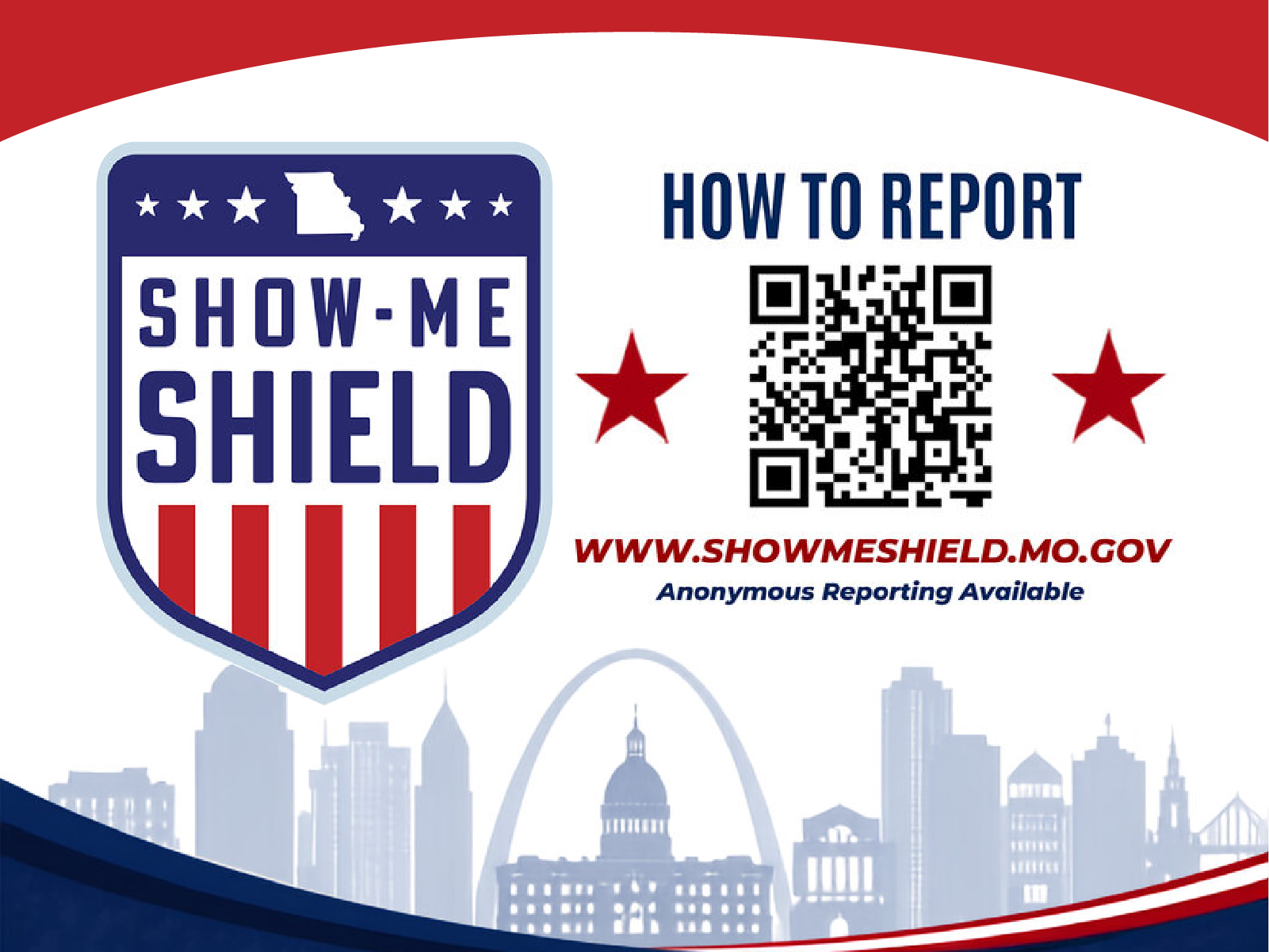
The Missouri State Highway Patrol recently launched Show-Me Shield, a new online reporting system that gives Missourians a way to report suspicious activity they encounter. The system replaced the Missouri SafeNation app and allows residents to submit reports online when they observe unusual situations or behavior that raises concern. Missouri’s fusion centers review reports and forward them to the appropriate authorities when necessary.
While Show-Me Shield is not intended to replace calling 911 during emergencies, it provides another resource for reporting suspicious activity and helping law enforcement identify patterns and potential threats. Anonymous reports are permitted.
Five Ways to Protect Yourself from Fraud
-
Slow Down
Scammers want you to act immediately. Take time to verify information before responding. -
Guard Personal Information
Never provide personal or financial information in response to an unexpected phone call, email, or text. -
Verify Requests Independently
Use trusted contact information rather than phone numbers or links provided in suspicious messages. -
Talk to Someone You Trust
If something feels unusual, discuss it with a family member, friend, or trusted advisor before taking action. -
Report Suspicious Activity
Reporting scams and suspicious activity may help protect others from becoming victims.
For many MPERS retirees, protecting retirement security involves more than managing investments or paying monthly bills. It also means protecting personal information and staying alert to potential fraud.
The retirement landscape continues to evolve, and unfortunately, scam tactics evolve right along with it. But a few basic habits—staying cautious, verifying information, and reporting suspicious activity—can go a long way toward protecting yourself and your hard-earned retirement income.
If something doesn’t seem right, trust your instincts. Whether it’s a suspicious message, phone call, or unusual activity in your community, taking a moment to verify the situation and reporting legitimate concerns may help protect both you and your fellow Missourians.